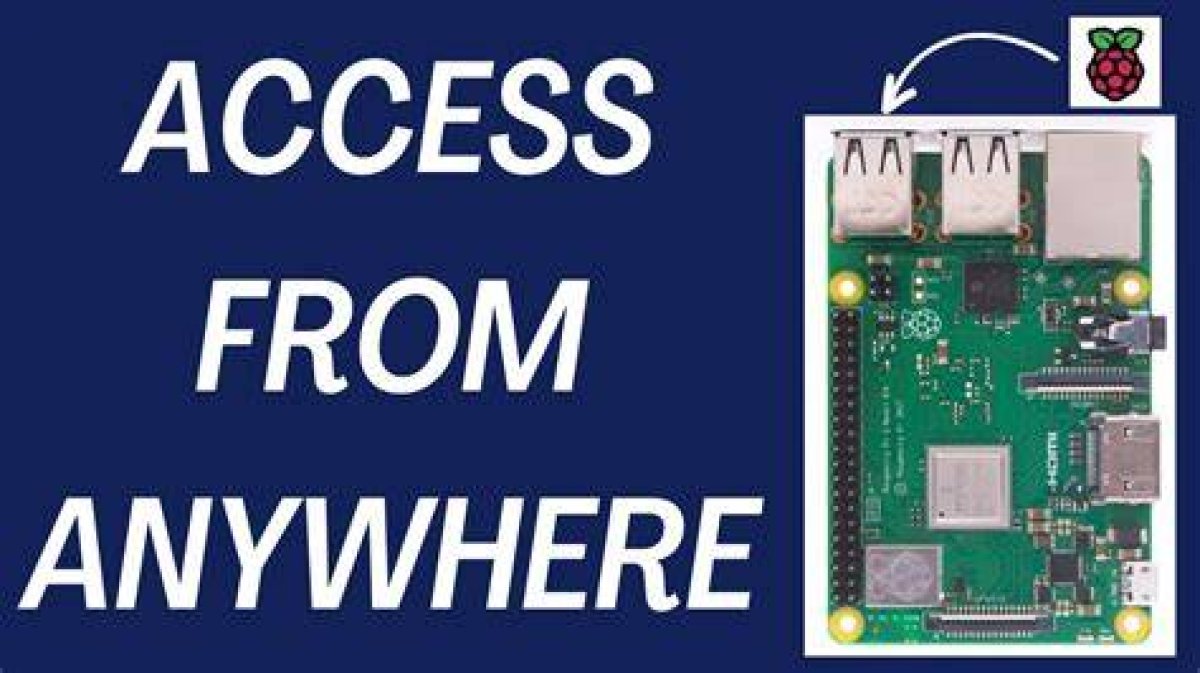
Remotely accessing Raspberry Pi for RemoteIoT has become an essential skill for tech enthusiasts and professionals alike. Whether you're managing IoT devices or setting up a home automation system, the ability to control your Raspberry Pi remotely is invaluable. This guide will walk you through the steps to securely and efficiently access your Raspberry Pi from anywhere in the world.
In today's interconnected world, the Internet of Things (IoT) has revolutionized how we interact with technology. At the heart of this transformation lies the Raspberry Pi, a versatile and affordable single-board computer. With its powerful capabilities, Raspberry Pi serves as the backbone for countless remote IoT projects.
However, to fully harness the potential of Raspberry Pi for remote IoT applications, you need to know how to access it securely from any location. This article will explore the tools, methods, and best practices for remote access, ensuring your projects remain efficient and secure.
Introduction to Remotely Access Raspberry Pi
Remote access to Raspberry Pi is a critical component of modern IoT projects. It allows users to manage their devices without being physically present, saving time and increasing efficiency. Whether you're troubleshooting a remote sensor or monitoring a home automation system, remote access ensures seamless control over your IoT infrastructure.
One of the most popular methods for remote access is SSH (Secure Shell), which provides a secure way to interact with your Raspberry Pi via the command line. Additionally, tools like VNC (Virtual Network Computing) enable graphical access, making it easier to manage complex tasks remotely.
Before diving into the technical details, it's important to understand the basics of Raspberry Pi and its role in IoT ecosystems. This foundational knowledge will help you better appreciate the importance of remote access in this context.
What is Raspberry Pi?
Raspberry Pi is a single-board computer designed to promote the teaching of basic computer science in schools and developing countries. Despite its small size, Raspberry Pi offers impressive performance and flexibility, making it a favorite among hobbyists and professionals alike.
Key Features of Raspberry Pi
- Compact and lightweight design
- Support for multiple operating systems, including Raspbian and Ubuntu
- Compatibility with a wide range of sensors and peripherals
- Energy-efficient power consumption
Raspberry Pi's versatility makes it ideal for remote IoT applications, where it can act as a central hub for data collection, processing, and control. By enabling remote access, users can maximize the potential of their Raspberry Pi devices.

