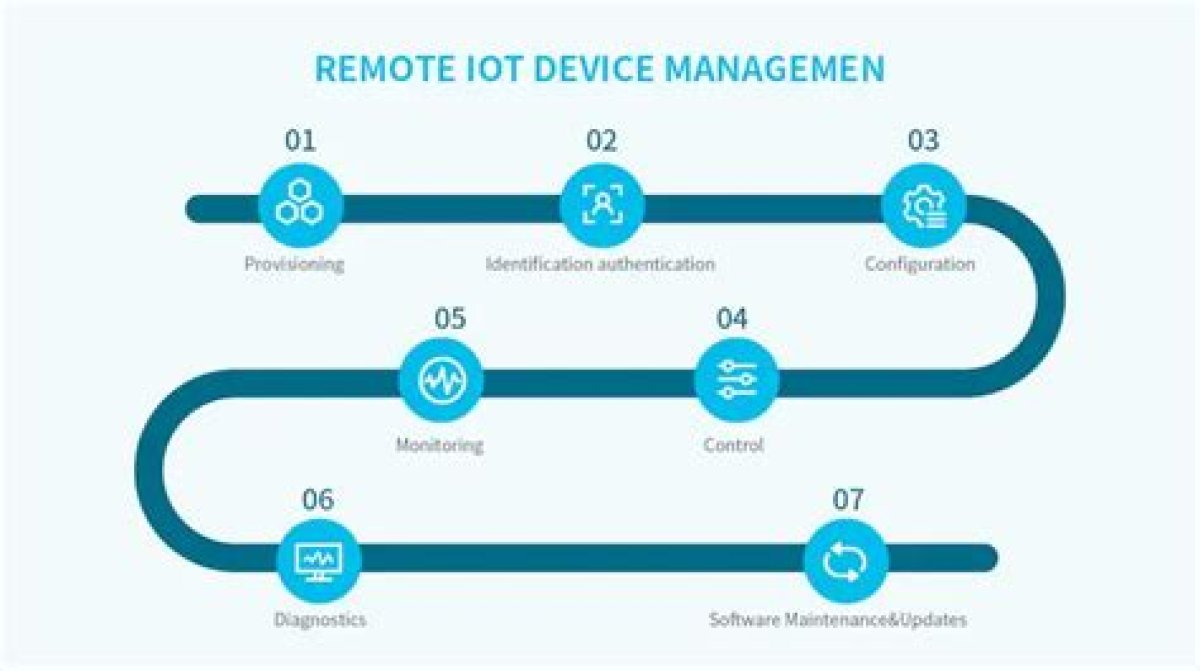
SSH remote IoT device management using Raspberry Pi has become an essential skill for tech enthusiasts and professionals alike. With the rise of IoT devices in homes, industries, and smart cities, the ability to remotely access and manage these devices is crucial. Raspberry Pi, a versatile single-board computer, offers a cost-effective solution for managing IoT devices securely through SSH (Secure Shell). In this article, we will explore everything you need to know about setting up, securing, and managing remote IoT devices using Raspberry Pi.
IoT (Internet of Things) technology continues to evolve rapidly, connecting millions of devices worldwide. However, managing these devices remotely can be challenging without the proper tools and techniques. SSH provides a secure way to connect to remote devices, enabling users to manage and monitor them effectively.
This comprehensive guide will walk you through the setup process, security best practices, troubleshooting tips, and advanced configurations to ensure seamless SSH remote IoT device management using Raspberry Pi. By the end of this article, you'll have the expertise to confidently manage IoT devices remotely with ease.
Introduction to SSH and IoT
SSH, or Secure Shell, is a cryptographic network protocol that allows secure communication over unsecured networks. It is widely used for remote command-line logins and data transfer. IoT devices, which are often deployed in remote locations, require secure and reliable management solutions. SSH remote IoT device management using Raspberry Pi offers a robust solution for this purpose.
Why Use SSH for IoT Devices?
SSH provides several advantages for managing IoT devices:
- Secure communication through encryption
- Authentication mechanisms to ensure only authorized users can access devices
- Reliable connection even over unstable networks
- Compatibility with a wide range of devices and operating systems
Raspberry Pi Overview
Raspberry Pi is a small, affordable single-board computer that has gained immense popularity among hobbyists, educators, and professionals. Its versatility makes it an ideal platform for IoT projects, including SSH remote management.
Key Features of Raspberry Pi
- Compact size and low power consumption
- Support for multiple operating systems, including Raspbian and Ubuntu
- GPIO pins for interfacing with hardware components
- Strong community support and extensive documentation

