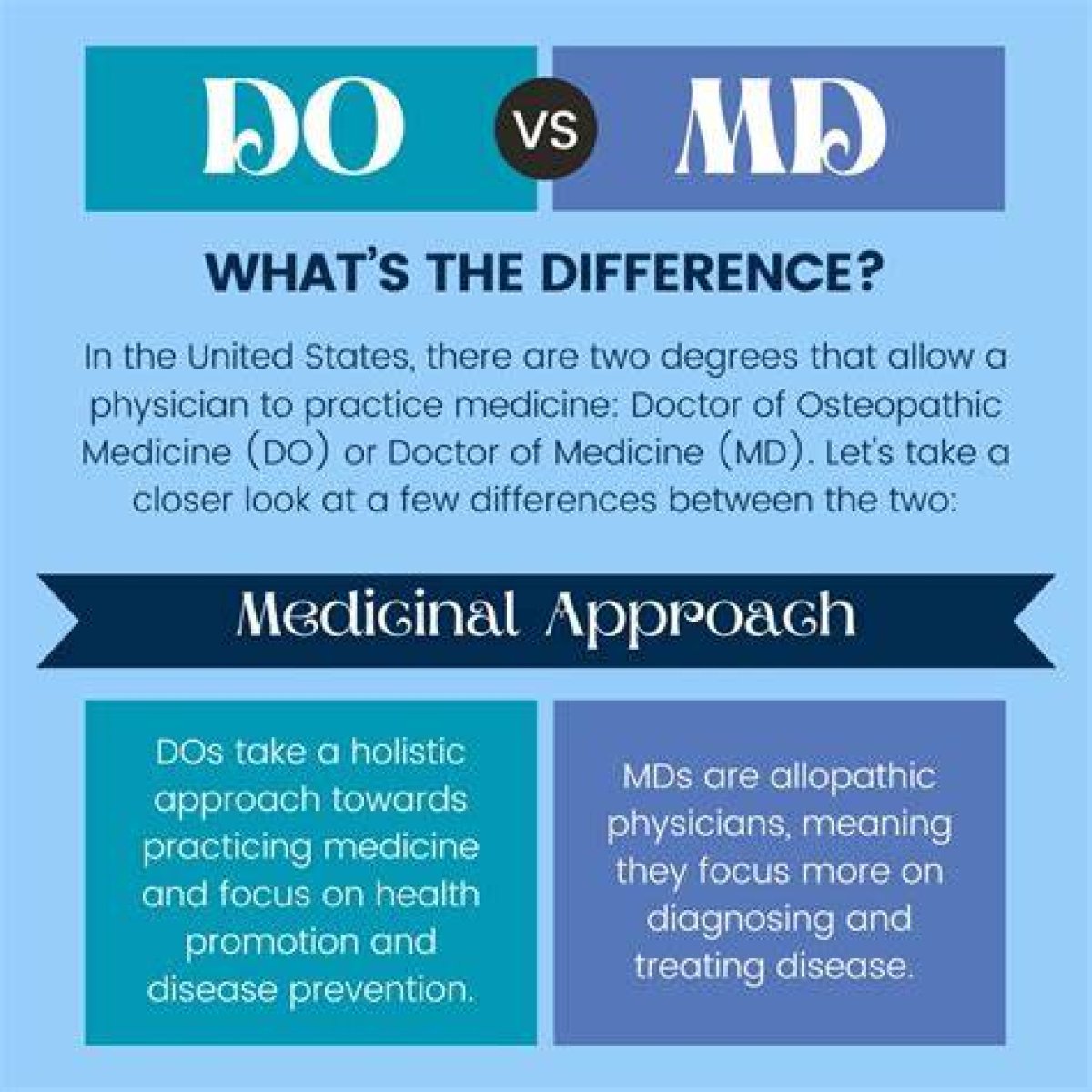
Are you considering a career in the medical field and wondering about the difference between MD and DO? Both the Doctor of Medicine (MD) and Doctor of Osteopathic Medicine (DO) are medical degrees that enable individuals to become licensed physicians, but there are some important distinctions between the two. If you're trying to decide which path to pursue, it's crucial to understand the variances in education, training, and philosophy that set MDs and DOs apart.
While both MDs and DOs are fully qualified physicians, the paths to obtaining these degrees have some variations. Each type of physician has a different approach to patient care, and understanding these differences can help you make an informed decision about your own medical education and future career. Let's delve into the key disparities between MD and DO and explore the implications of these differences for aspiring physicians.
What is an MD?
The title MD stands for Doctor of Medicine. As the more traditional and widely recognized degree in the United States, an MD is awarded to individuals who have completed allopathic medical schools. Allopathic medicine is the conventional form of medicine that focuses on treating disease symptoms using medication, surgery, and other standard interventions. MDs are trained to diagnose and treat a wide range of health conditions, and they commonly work in hospitals, clinics, private practices, and other healthcare settings.
MD Education and Training
Individuals pursuing an MD degree typically complete a four-year undergraduate program followed by four years of medical school. After graduating from medical school, aspiring MDs must complete a residency program in their chosen specialty, which can range from three to seven years. Additionally, some MDs pursue fellowships for further specialized training in areas such as cardiology, oncology, or neurology.
What Does an MD Do?
MDs are licensed to practice medicine and perform a wide range of medical procedures, including prescribing medication, performing surgeries, and providing various forms of treatment. They may specialize in fields such as internal medicine, pediatrics, surgery, obstetrics and gynecology, psychiatry, and more. MDs work with patients to diagnose illnesses, develop treatment plans, and provide ongoing care to promote health and well-being.
What is a DO?
The title DO stands for Doctor of Osteopathic Medicine. DOs are fully licensed physicians who have received training that emphasizes a whole-person approach to patient care. Osteopathic medicine focuses on the body's musculoskeletal system and its interrelationship with other bodily systems, with an emphasis on preventive care and the body's natural ability to heal itself.
DO Education and Training
Individuals pursuing a DO degree undergo a similar educational path as those pursuing an MD degree, including four years of undergraduate study and four years of medical school. However, osteopathic medical schools also provide training in osteopathic manipulative treatment (OMT), a hands-on technique used to diagnose, treat, and prevent illness or injury. After completing medical school, DOs also complete residency programs and may pursue fellowships in specialized areas of medicine.
What Does a DO Do?
DOs are licensed to practice medicine and are trained to provide a wide range of medical services, including prescribing medication, performing surgeries, and using OMT to complement traditional treatments. They may specialize in fields such as family medicine, osteopathic manipulative medicine, internal medicine, pediatrics, and more. DOs work with patients to address not only their physical health but also their emotional and spiritual well-being.

